©

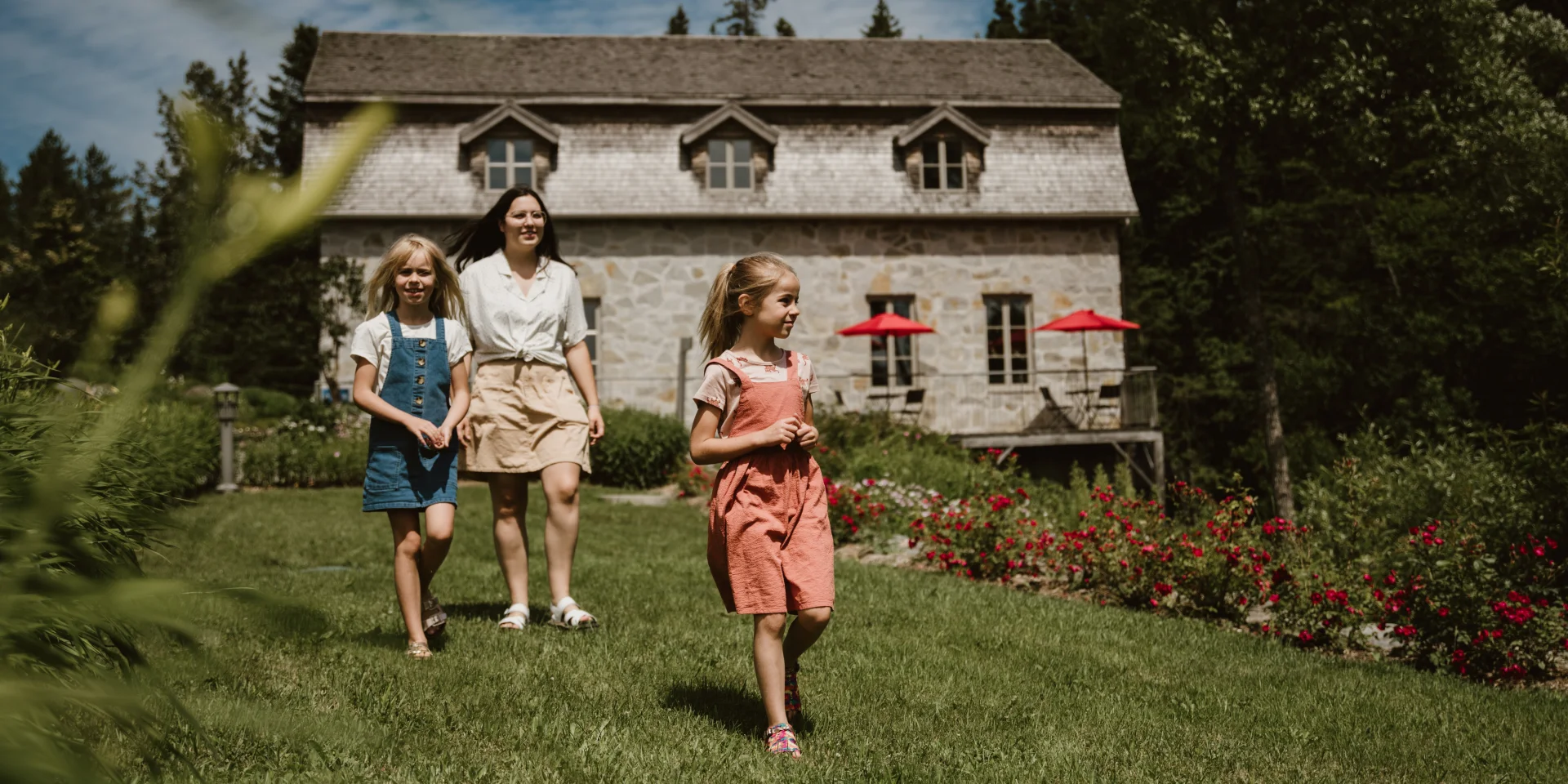
A stroll through the gardens of the Centre d'arts Moulin La Lorraine

|

Stéphanie Allard

.

Culture

Back in time at Moulin La Lorraine

Lac-Etchemin
©

Amélie Dumas-Aubé

Amélie Dumas-Aubé

It’s not every day I get the chance to visit a flour mill that’s still in operation. This restored building is a gold mine of stories, artifacts and works of art. The Etchemins region has a lot to offer.

 A multidisciplinary universe

Are you like me, always looking for mysterious places to discover the best stories? Well, you’ll find it at Moulin La Lorraine, where a flour mill still in operation sits alongside an art gallery, a sculpture garden and a river. It’s a lot to see and learn, but trust me, it all comes together once you’re there.
Le Moulin La Lorraine

 The history of milling

The tour begins with the famous mill, originally built in 1860 by Pierre Beaudoin, on the ruisseau de la Décharge du lac Caribou, one of the largest tributaries of Lac Etchemin. The Moulin La Lorraine, then known as the Moulin Beaudoin, milled grain for local farmers for over a century, until the 1960s, when it closed for economic reasons. During its existence, this building housed an upstream sawmill to meet the needs of the time.

However, the current building is not the original. In 2007, it was built partly on the foundations of the old Beaudoin Mill, which was in a very poor state of repair following its closure.

 How is flour made?

The visit to the mill leads us of course to the interpretation of the mill, and this is where it all makes sense. The guide explains that, in order to produce a fine flour, it’s all a question of tempo and gravity. It’s the weight of the water coming from the stream that flows over the outer wheel and makes it turn. This wheel is then connected to the inner gears and the mechanism: the miller puts the grains in the hopper, pulls on the tongue to make them fall into the trough. Then, magically, the grains are transformed and ground, and flour is created!

Did you know that ? Flour is basically cream-colored; white flour is simply a coloring given to it.

 An arts center, first and foremost!

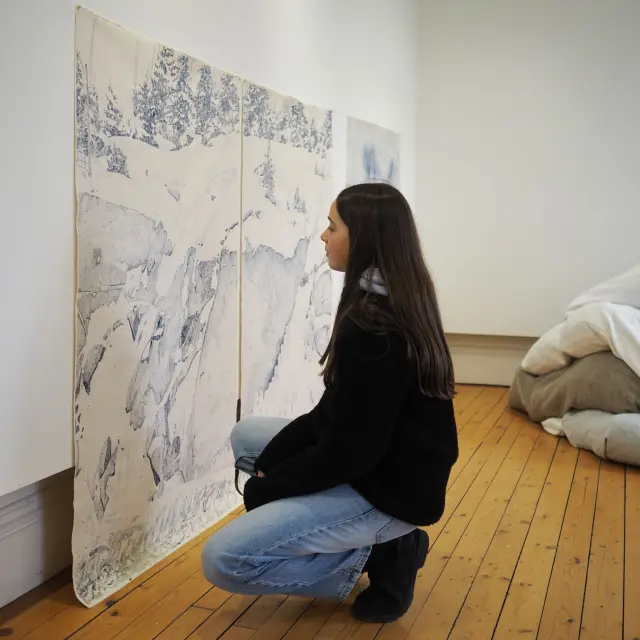
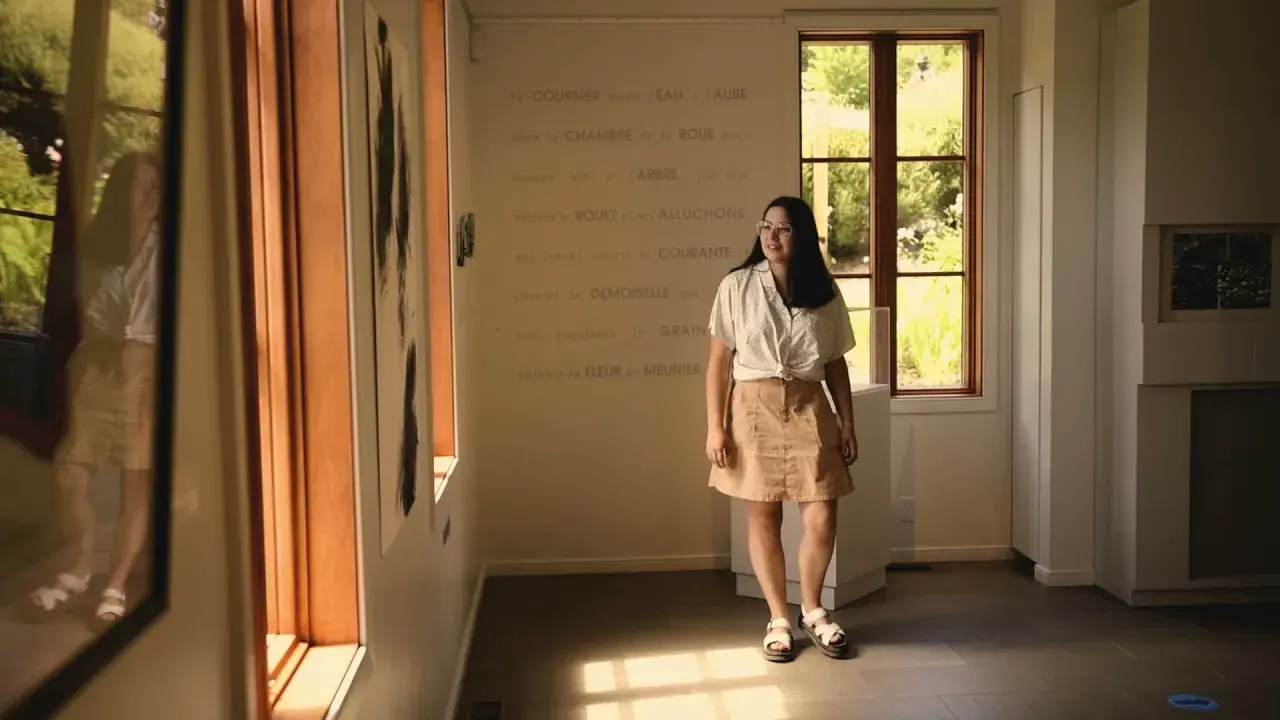
After a presentation of the milling process, the visit continues into a completely different world. Three exhibition rooms reveal their richness. On the first floor, we have the Hall du Moulin, in the basement, the Salle des Courroies and, of course, the Salle Pierre-Beaudoin upstairs. Indeed, the upper floor of the mill has been transformed into a superb showroom, where paintings and canvases are on display. What’s more, the many windows allow the room to shine, with a view over the large garden. A program of artists is available for the season. For my part, I never expected to discover such beautiful pieces, and it was truly an astonishing surprise.

 A sculpture garden to finish it off

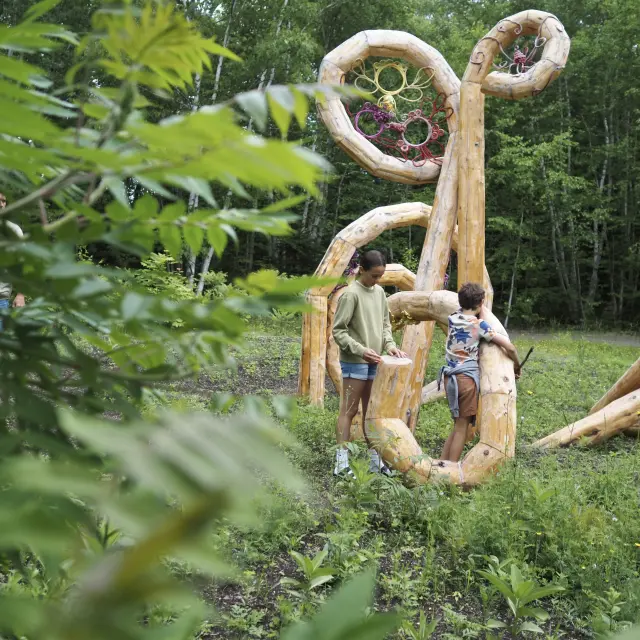
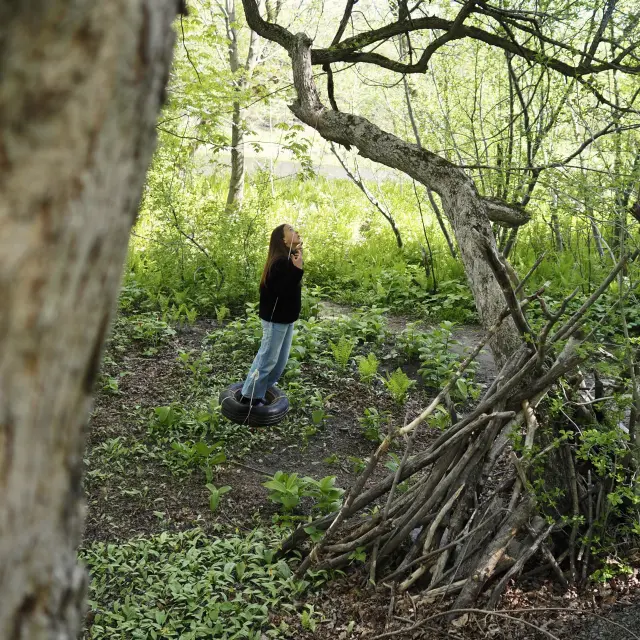
The Moulin La Lorraine is set in magnificent grounds where you can picnic, stroll along the forest paths or the river, or admire the sculpture garden. Every year, open-air public art exhibitions are installed and accessible free of charge during the Moulin’s opening hours.

The perfect relaxing moment to end this visit. I contemplate the beauty of the site, with the sound of water trickling down the Beaudoin stream as my only soundtrack.

Photos: Stéphanie Allard

Center d’arts Moulin La Lorraine

1286 QC-277, Lac-Etchemin

Visit the mill, see a demonstration of the miller’s craft, tour an art gallery, stroll through the forest and sculpture garden, relax along the river and much more…

More stories